
React Native vs Flutter vs Native for Healthcare Apps: What to Choose in 2026
A practical comparison of React Native, Flutter, and native development for healthcare apps in 2026—covering performance, security, device access, team fit, and risk.
SeeSaw Labs provides custom mobile app development services for startups and growing companies that need an iOS and Android product without building a full in-house team. Our Austin-based team handles product strategy, UX/UI design, native or cross-platform development, backend and API integration, and app store launch, then keeps improving your app after it ships.
Start with a free mobile app FIT Check. We will pressure-test your app idea, recommend the right platform, and map the first 30 to 90 days before you commit to a full build.
Clickable prototypes tested with real users before you invest in heavy engineering.
Native, cross-platform, or web: a recommendation based on your users, device features, budget, and timeline.
Strategy, design, engineering, and launch from one team, so nothing gets lost in handoffs between vendors.
App Store and Google Play release, analytics, and monitoring built in, then updates driven by real usage.


As a mobile app development company, we cover strategy, design, and engineering under one roof, from first prototype to app store launch and beyond.
Not sure what to build first? We define the users, the problem, and the smallest version worth launching, then hand you a roadmap and a clearer estimate.
Confusing apps get deleted. Our mobile UX/UI design team prototypes key flows and tests them with real users, so development starts from a proven experience.
When performance, advanced device features, or platform-specific design matter most, we build fully native apps for each platform.
Need iOS and Android on a controlled budget? A shared codebase gets you into both stores faster and keeps updates in sync.
Apps are only as good as the data behind them. We build secure backends and connect your app to payments, analytics, and the systems you already run.
Push notifications, camera, location, offline access, AR, and computer vision, used where they add real value, not as gimmicks.
We prepare store listings, meet App Store and Google Play review requirements, and manage staged releases so launch day goes smoothly.
Slow, outdated, or hard-to-change app? We assess it, fix what hurts most, modernize the codebase, and keep shipping improvements.
The right approach depends on your users, the device features you need, your budget, and how fast you need to reach both app stores.
| Approach | Best when | Main trade-off |
|---|---|---|
| Native iOS and Android | Performance, platform-specific UX, advanced device features, or separate platform roadmaps matter most. | Two codebases can increase development and maintenance effort. |
| Cross-platform | You need iOS and Android coverage from a shared codebase, faster iteration, and a controlled budget. | Some highly specialized features may still need native work. |
| Progressive or mobile web app | Fast access, broad device reach, and simple updates matter more than app store distribution. | Less access to some device capabilities and a weaker app store presence. |
We recommend the approach that fits your product, not the framework we prefer. For a deeper comparison, read our guide to native versus cross-platform app development.
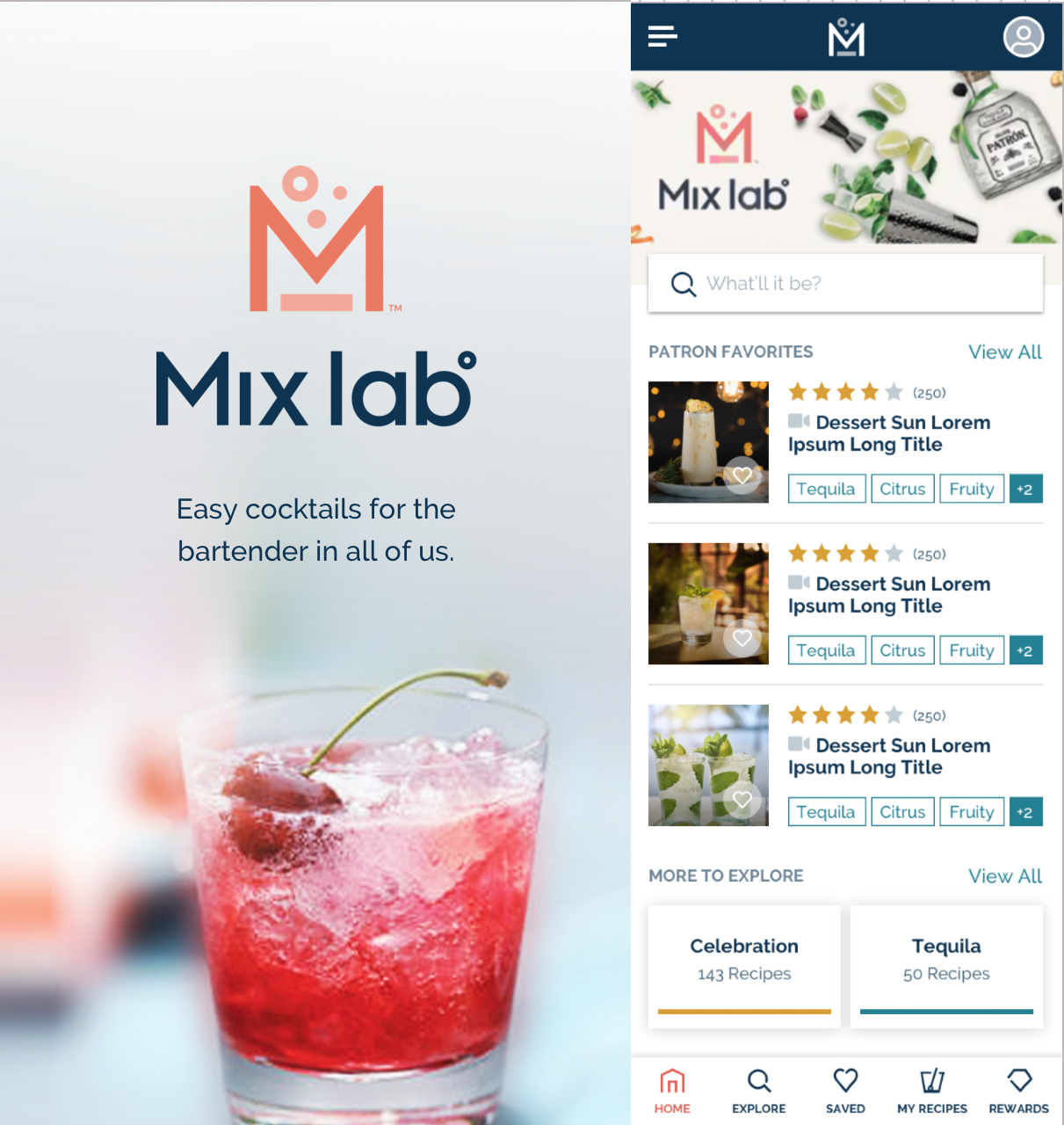
Bacardi wanted deeper digital engagement with both consumers and professional bartenders. We led discovery workshops, interviews, and market research, then designed and built Mix Lab, a cross-platform iOS and Android app with a custom recommendation engine that crafts personalized cocktails from mood, event, and season data. Simple for consumers and flexible for bartenders, the app validated Bacardi’s mobile strategy and informed its next wave of digital engagement.
Link to full case study
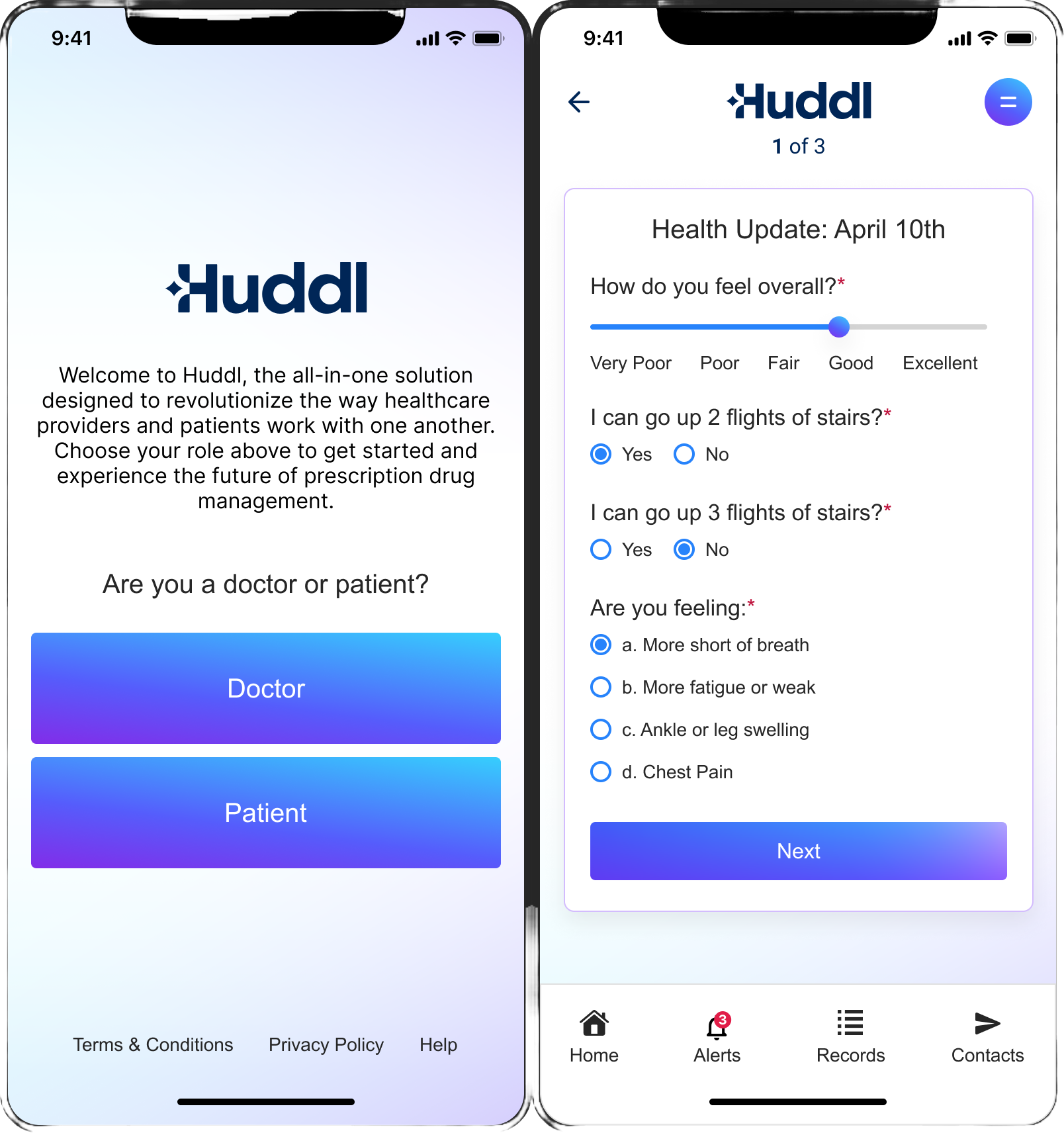
Doctors, patients, and pharmacies navigating Risk Evaluation and Mitigation Strategy (REMS) programs faced fragmented workflows and confusing experiences. We designed and developed a HIPAA-ready mobile app that unifies REMS education, compliance, and drug administration, with SaaS delivery and white-label customization built in, so one platform can serve many drug programs. It now spans 60+ therapies.
Link to full case study
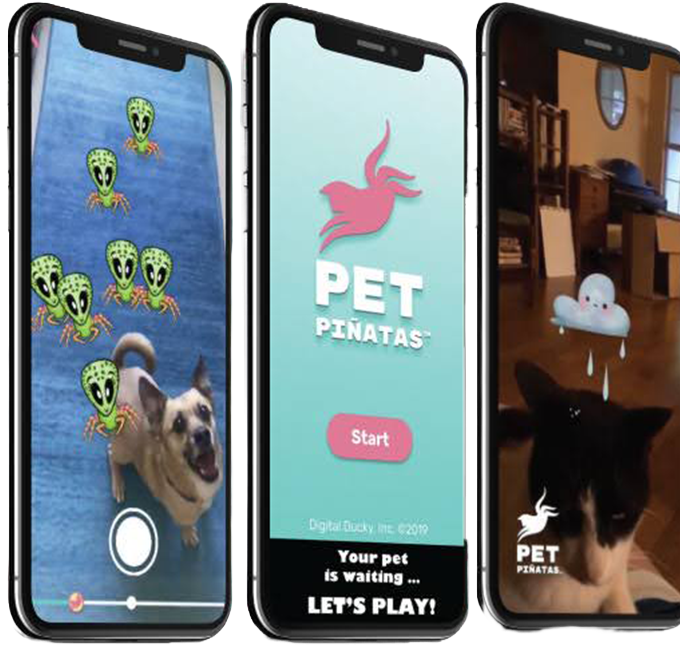
Pet Pinatas set out to blend augmented reality gaming with pet ownership. We built the mobile game end to end, using neural networks, computer vision, and native camera integration to recognize pets in real time and create playful AR interactions. Rolling video buffers let players share clips the moment they complete an objective, turning every game into shareable content.
Link to full case study
Our process
Like a seesaw, we balance big app ideas with practical execution. Every mobile project follows the same five steps, and each one ends with something you can see, test, and keep.
Research your users, market, stakeholders, and technical landscape to find the problem your app should solve.
You get: Evidence, constraints, risks, and opportunity areas.
Prioritize features into a focused MVP, set success metrics, and choose the right platform and roadmap.
You get: A focused delivery plan and a clearer estimate.
Map user journeys, prototype key flows, and test them with real users before a line of code is written.
You get: A validated experience and a reusable design direction.
Iterative engineering, integrations, QA across real devices, and regular stakeholder reviews.
You get: Working builds, visible progress, and documented decisions.
Launch in the App Store and Google Play, measure real usage, and ship updates that keep users coming back.
You get: A production app and an evidence-based improvement roadmap.
Comparing mobile app development companies? Whoever you hire, these are the questions worth asking before you sign.
Have they shipped apps like yours, in your industry, to real app store users?
Will they challenge the idea and test it with users, or only build the spec?
Do they recommend an approach for your product, or push the one framework they know?
Can they connect the app to APIs, cloud services, and legacy systems securely?
How do they handle sensitive data, accessibility, and regulations like HIPAA?
Do they test across real phones, tablets, and operating system versions?
Will you see working builds often, and do you own the code and documentation?
Do they handle store listings, review requirements, and release management?
Who monitors, fixes, and improves the app after it ships?
Can they show case studies, references, and results from apps in the market?
We’re a US-based team in Austin, Texas, and we’re not the right fit for every project. Meet the SeeSaw Labs team, then use a FIT Check to see whether we are.
Every app is different, so we don’t publish one-size-fits-all prices. These factors shape scope, cost, and delivery time the most.
A focused MVP reaches real users sooner than a full feature set.
Each platform adds design, testing, and store work.
Two native codebases take more effort than one shared codebase.
Each type of user adds screens, permissions, and logic.
APIs, payments, messaging, analytics, and third-party services add engineering time.
Offline access, camera, location, AR, and AI features need extra build and testing.
Healthcare and regulated apps add review, documentation, and safeguards.
Modernizing an app starts with an assessment of what can be kept.
Device coverage, test depth, and app store review all affect the schedule.
A short discovery phase and a tested prototype turn these factors into a reliable estimate. For startups, see our startup and SaaS product development services.
HIPAA-ready apps for patients, providers, and pharmacies that simplify complex care and compliance workflows.
Branded apps and personalized recommendation experiences that deepen engagement and loyalty.
Two-sided apps that match customers with providers, with trust, scheduling, and communication built in.
Fast, budget-conscious MVPs on iOS and Android that validate your idea and set you up to scale.
Immersive mobile experiences, from AR games to VR sales training, built on real-time camera and computer vision.
Tablet and mobile tools for drivers and field staff, synced with real-time dashboards for managers.
We have shipped mobile apps for global brands, healthcare innovators, and fast-moving startups, and we stay with you long after launch.
What you get with SeeSaw Labs:
You don’t need a finished spec. We will pressure-test your idea, identify platform and integration needs, surface the biggest delivery risks, and outline the first 30 to 90 days.
Mobile app development services cover planning, designing, building, launching, and maintaining an app. Our custom mobile app development services include:
Choose native when performance, platform-specific design, or advanced device features matter most. Choose cross-platform when you need iOS and Android from one codebase on a controlled budget. We build both and recommend based on your users, features, budget, and timeline.
Yes. We build for iPhone, iPad, and Android phones and tablets, as separate native apps or from one cross-platform codebase, and we test on real devices and operating system versions.
Yes, and we recommend it. Discovery tests your assumptions, narrows the idea to a focused MVP, and picks the platform. Our mobile UX/UI design team then tests clickable prototypes before you pay for engineering, the same digital product strategy and development approach we use for every product.
Yes. We built an AR game that recognizes pets in real time with computer vision, and a VR sales training experience for Gerber. Our AI product development team helps you decide where emerging tech adds real value.
Look for a mobile app development company with shipped apps in your industry, strategy and UX skills, honest platform advice, integration and security experience, real-device QA, and post-launch support. Ask for case studies you can check, and make sure you own the code.
Cost depends on scope, platforms, architecture, integrations, device features, and compliance. We usually start with a focused MVP, as a defined project or a monthly retainer, so you invest in what users need first. Discovery and a tested prototype give you a reliable estimate.
It depends on scope. A focused MVP launches much sooner than a full-featured platform, so we prioritize ruthlessly in the Define phase. Milestones are agreed up front, you see working builds early and often, and app store review time is built into the plan.
Yes. We handle store listings, screenshots, privacy disclosures, review requirements, and release management for both iOS and Android.
We monitor crashes and performance, watch analytics and feedback, ship regular updates, and keep the app current with new iOS and Android releases. Most clients continue with a monthly team.
Yes. We assess your app’s code, performance, and user experience, fix the biggest problems first, then handle maintenance, redesigns, new features, and modernization.
Yes. We integrate payments, analytics, messaging, maps, and authentication, and connect your app to the systems you already use. Our custom software development team builds the backends and APIs behind the app.
Yes, including the Huddl Health mobile app, which unifies medication safety workflows for doctors, patients, and pharmacies. See our healthcare app development services for compliance, EHR integrations, and healthtech MVPs.
A practical comparison of React Native, Flutter, and native development for healthcare apps in 2026—covering performance, security, device access, team fit, and risk.

A practical guide to MVP development for startups—focused on learning, decision-making, and reducing risk from idea through scale.

Choosing the right custom software development company requires understanding your needs, evaluating expertise, comparing portfolios and budgets, and ensuring alignment to deliver solutions that meet business goals efficiently.
Visit The Lab for more Guides, Tools and Experiments by SeeSaw’s team of digital inventors!