
Unlocking AI Potential in Healthcare
AI is transforming healthcare and insurance, but adoption faces hurdles like data security, legacy systems, stakeholder alignment, bias, and cost—strategies are key to making it work effectively.
SeeSaw Labs provides UI/UX design services for startups and growing companies that need clearer workflows, stronger adoption, and products that are easier to use and build. We combine user research, UX strategy, interface design, prototyping, usability testing, and design systems, then work with your engineers or ours to ship the experience as intended, as part of end-to-end digital product design and development.
Every product has low-hanging fruit. Start with a free UX/UI FIT Check. We will review your product, point out the quick UX wins, and outline the first 30 to 90 days.
Prefer the scenic route? Take the interactive tour
A UX audit finds the friction points, confusing flows, and usability issues costing you users today, ranked by impact.
Real user insight replaces assumptions, so every flow maps to what your customers are actually trying to get done.
A scalable design system of shared components and visual standards that unifies your brand and helps developers ship faster.
Clickable prototypes tested with real users, so engineering time goes into designs that already work.


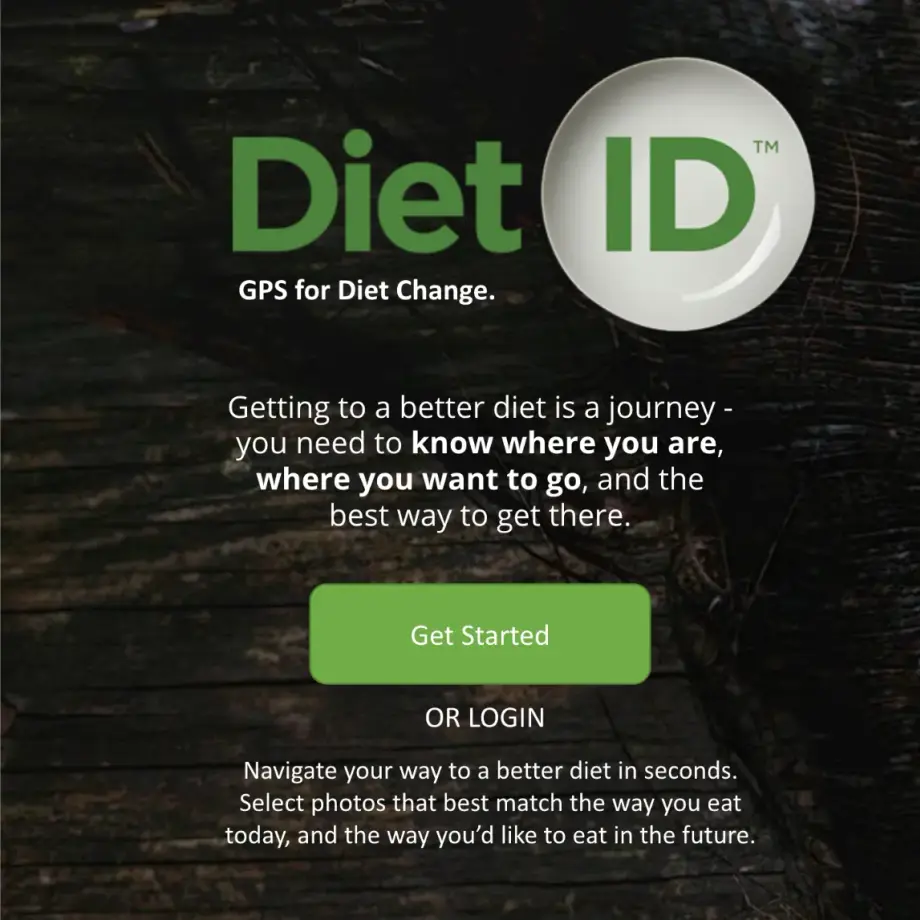
Diet ID is redefining nutritional health with a clinically tested, visual-based approach to dietary assessment. We partnered from inception to design an intuitive, visual-first experience that lets users assess their diet quickly and gives clinicians personalized wellness plans they can act on. Shaped by real clinician and patient feedback, the MVP launched as a faster, more effective way to assess and improve diet.
Link to full case study
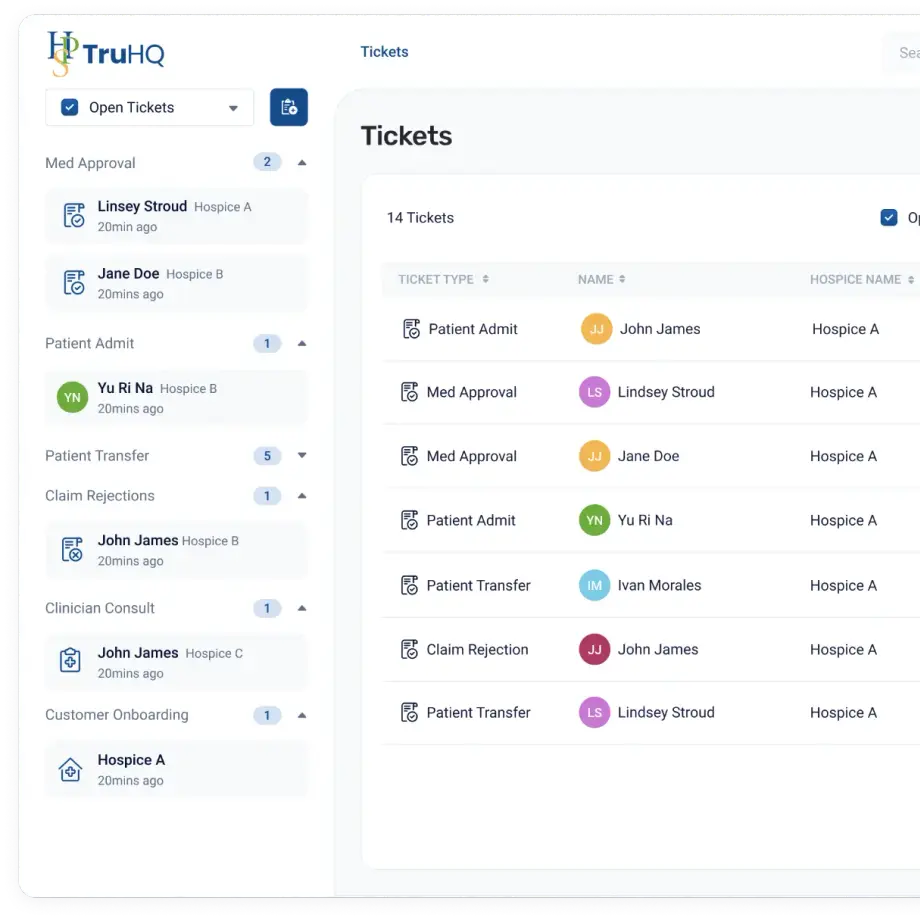
Hospice Pharmacy Solutions (HPS) needed to modernize the internal tools and customer systems behind medication approvals. Our UX audit uncovered where staff were losing time and making mistakes, and we designed HIPAA-aware UI/UX for both internal staff and customer self-service, validating ease of use through prototyping. The redesign helped reduce user errors by 30% across their admin tools, and the new platform made medication approvals 5× faster.
Link to full case study
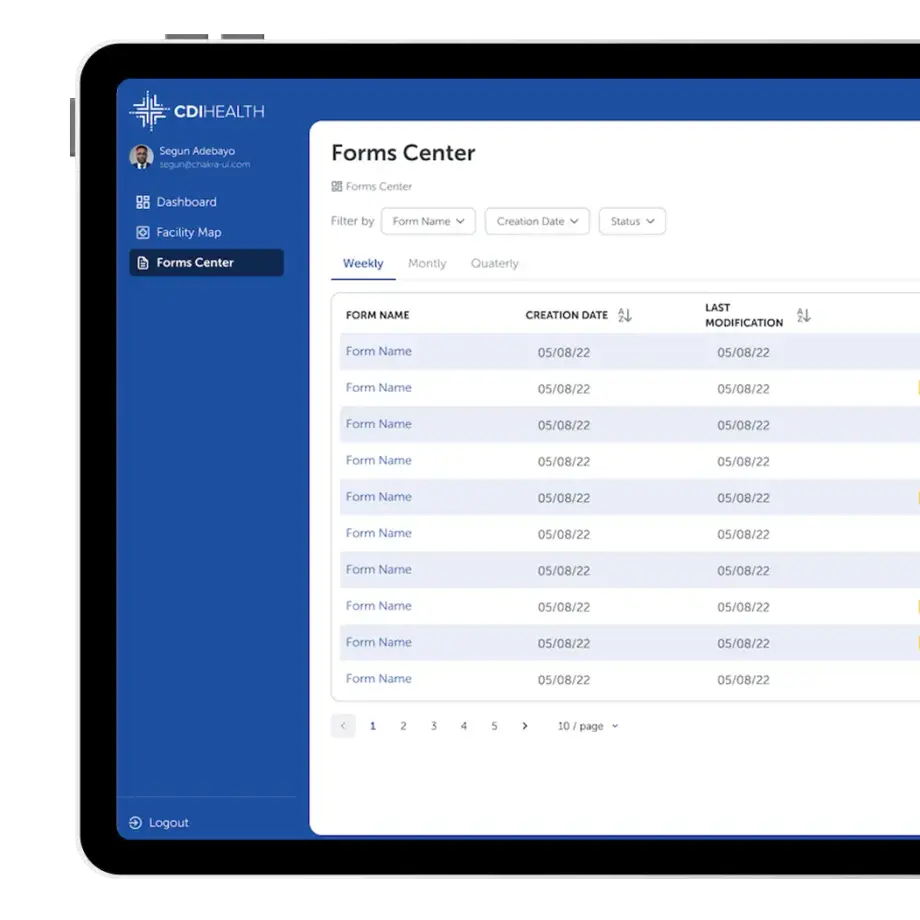
Rendevor provides on-site dialysis for hospitals, correctional facilities, and post-acute care centers, but executives relied on fragmented spreadsheets and manual scorecards. We designed clear, actionable dashboards that surface clinical performance and quality-of-care metrics at a glance, so leaders get real-time insight and make faster, better-informed decisions.
Link to full case study
Senior product design that turns complex ideas into intuitive experiences, from the first interview to build-ready files.
Learn who your users are, what jobs they need done, and where they get stuck, before a single screen is designed. You get research findings and journey maps.
Review your existing product against usability best practices and real behavior data. You get a prioritized list of fixes, quick wins first.
Map structure and user flows early, then validate them with clickable prototypes before development begins.
Polished, responsive interfaces for web and mobile that look on-brand and make the next step obvious.
Reusable components, design tokens, and clear specs, plus design QA during the build, so the product stays consistent and engineering moves faster.
WCAG-informed accessibility built in from the start, plus usability testing that turns feedback into measurable improvements.
Our process
Like a seesaw, we balance what your users need with what your business needs. Every UI/UX engagement follows the same five steps, from research and tested prototypes to a shipped product your users enjoy.
Learn your goals, users, and workflows through stakeholder interviews, user research, and a review of your current product.
You get: Research findings and the biggest usability risks.
Turn insights into prioritized UX requirements, user journeys, and measurable success criteria.
You get: Prioritized requirements and the metrics we will track.
Wireframe, prototype, and test flows with real users, then craft the visual UI and design system.
You get: A tested prototype and a UI design system.
Hand off build-ready specs and partner with your engineers, or ours, so the shipped product stays true to the design.
You get: Build-ready specifications and implementation support.
Measure adoption and usability after launch, then refine the experience with the next round of improvements.
You get: Post-launch results and an improvement plan.
Good design should change what users do. We choose success metrics with you during Define, capture a baseline, and measure again after launch. Which metrics matter depends on your product and goals, so we don’t promise a universal lift.
Task completion rate, time on task, and error rate for the flows that matter most.
How many new users finish onboarding and reach their first real result.
Sign-ups, upgrades, requests, or purchases completed through the redesigned flows.
Feature adoption and how many users keep coming back.
Fewer support tickets and training questions about how the product works.
Accessibility issues found and fixed, and less development rework once the build starts.
Building your first product? Our startup UX design guide covers which of these signals to watch first.
Clinician and patient experiences that reduce cognitive load, support accessibility, and handle sensitive data with HIPAA-aware design patterns.
Data-heavy dashboards and reporting tools designed so executives and staff get to the insight they need faster.
Complex, regulated workflows simplified into clear interfaces designed to reduce errors and shorten training time.
Onboarding, activation, and core workflows designed to improve adoption, retention, and conversion.
From concept to clickable prototype to launch, a UX foundation that helps you validate quickly and scale without a redesign.
Legacy admin and back-office tools modernized into consistent, efficient experiences your teams actually want to use.
Launching or scaling a B2B SaaS product? Our SaaS product development team carries these designs through to a launch-ready platform.
We design for humans, not just screens, and we stay accountable for how the experience performs after launch.
What you get with SeeSaw Labs:
We will find your biggest usability and conversion opportunities, surface the quick wins and larger risks, and define a practical next step.
UI/UX design services cover everything that shapes how people experience your digital product. UX (user experience) design defines how the product works: the flows, structure, and interactions that help users reach their goals. UI (user interface) design defines how it looks and feels: layout, typography, color, and the visual system that ties it together.
SeeSaw Labs’ UI/UX design services cover:
UX design is about how a product works and feels to use: whether users can find what they need, complete tasks without friction, and understand what to do next. UI design is about how the product looks: the visual layout, components, and style. Great products need both, which is why we design them together rather than handing one off to the other.
UI/UX design pays off most when the experience itself is holding growth back. The most common signs include:
It depends on scope, but most engagements include research findings and journey maps, a prioritized list of UX requirements, wireframes and a clickable prototype tested with real users, final UI designs for web and mobile, and a design system with development-ready specs. When we stay through the build, we also run design QA and measure results after launch.
Always. Accessibility is built into our process from the start, guided by WCAG: color contrast, keyboard and screen reader support, and clear, readable layouts. We also test with real users. Designing accessibly widens your audience and makes the product better for everyone.
Pricing depends on the size of your product, the depth of research required, and whether you need a focused audit, a redesign of key flows, or a full product design with a design system. Engagements are typically structured around a clearly defined project scope or as an ongoing monthly retainer, so you only pay for the design support you actually need. A free FIT Check gives you a clearer picture of scope.
Timelines vary with scope. A focused UX audit or redesign of a few key flows is much shorter than designing a new product and design system from scratch. We agree on milestones during kickoff, so you always know what is being delivered and when, and you see tested work early instead of waiting for one big reveal.
Yes, and many clients do. A UX audit identifies the quick wins and the bigger opportunities in your current product, giving you a prioritized plan before you commit to a larger redesign. Most of the time, targeted improvements to the right flows deliver more value, faster, than starting over.
We agree on success metrics during Define and capture a baseline before design starts. Depending on your product, that might be task completion, time on task, error rate, onboarding completion, conversion, adoption, retention, or support tickets. After launch, we measure the same metrics again and use the results to plan the next round of improvements.
Absolutely. We often collaborate with internal design and development teams, filling gaps in research, UX strategy, or visual design. You keep ownership of the product, and we leave behind design systems and documentation your team can keep building on.
Yes. We build scalable design systems with reusable components, design tokens, visual standards, and documentation. Handoff files include specs, states, and interactions, so developers can build without guesswork, and we stay available for design QA during implementation.
Yes. We have designed products for healthcare, pharmacy, and clinical operations teams, including staff tools, patient-facing experiences, and executive dashboards. We design for complex workflows, sensitive data, and accessibility from day one, and we make HIPAA-aware decisions about what data each screen shows and who can see it.
Yes. Our designers and engineers work under one roof, so we can take your product from research and prototypes through custom software development or mobile app development and launch, keeping the shipped product true to the design.
AI is transforming healthcare and insurance, but adoption faces hurdles like data security, legacy systems, stakeholder alignment, bias, and cost—strategies are key to making it work effectively.

Modernizing insurance systems is critical, with challenges and best practices for integrating new technologies into legacy infrastructure to enhance efficiency, security, customer experience, and long-term scalability.

Modernizing legacy healthcare systems is essential but poses cybersecurity risks, highlighting best practices for risk assessment, strategic planning, data mapping, and implementing robust security measures.
Visit The Lab for more Guides, Tools and Experiments by SeeSaw’s team of digital inventors!