
Custom Healthcare Software MVP to Scale Roadmap
A practical roadmap for custom software development for healthcare—covering MVP scope, HIPAA-aligned security, integrations, scaling, and ongoing support.
SeeSaw Labs is an Austin-based software product development company that turns early ideas and existing platforms into market-ready web, mobile, and SaaS products. Strategy, UX/UI design, engineering, launch, and ongoing improvement come from one integrated team. We don’t just design screens; we design outcomes: products that solve real problems, delight users, and drive measurable business results.
Start with a short FIT Check. We will clarify the opportunity, expose the biggest risks, and map the first 30 to 90 days.
Prefer the scenic route? Take the interactive tour
Research and strategy that pin down the real problem, the users, and the opportunity before you invest.
Clickable prototypes validated with real people, so the product you build is the product they want.
Designers and engineers work side by side, so what ships matches what was designed.
Launch is the start. Real-world data and feedback drive every next round of improvements.


Software product development turns an idea or an existing platform into software people rely on: deciding what to build, designing it, engineering it, launching it, and improving it. As a digital product design and development company, we handle every step with one team.
Not sure what to build first? We research users, the market, and your goals, then turn the findings into a prioritized roadmap.
Products fail when they are hard to use. We map user journeys and craft accessible interfaces and a design system that scales.
Development shouldn’t be the first test of an idea. We test clickable prototypes with real users before production code.
We engineer the tested design in iterative releases you can review, on architecture built to grow with your users.
We connect your product to existing systems, payments, and data, with cloud hosting and automated deployment that make releases routine.
Testing, security reviews, accessibility checks, and HIPAA-ready workflows are part of every release, not a final phase.
We launch, monitor real-world use, keep shipping improvements, and modernize products already in market without disrupting users.
We own products end to end or co-deliver them with your team, and every type below is backed by work we have shipped.
Portals, dashboards, and workflow apps, like Archway Health’s value-based care contracting portal.
iOS and Android apps with camera, offline, and device features, tested with users before development.
Subscription platforms with accounts, roles, and integrations, like the Kountable trade-finance platform behind an $8M Series B.
HIPAA-compliant clinician, patient, and training products, like the Agilent Dako pathology training platform.
E-learning with video, quizzes, and progress tracking, like Credit Builders Alliance’s member training platform.
Tools that replace spreadsheets and manual handoffs, like Abstract Construction’s custom CRM and workflow engine.
AI features, computer vision, and AR/VR, like Diet ID’s photo-to-nutrition-plan AI and Gerber’s VR sales training.
Fresh interfaces and updated architecture for products already in market.
Explore our UX research and design, mobile app development, SaaS product development, and AI product development services.
Most product risk lives in the gaps between strategy, design, and code. One team of strategists, designers, and engineers closes them.
Product ideas are tested with real users before expensive development, not after launch.
Designers understand technical constraints from day one, so designs don’t come back for rework.
Engineers build from tested prototypes and user journeys, not from guesses.
Every priority call traces back to the success metrics agreed in the Define phase.
One team owns the outcome, so there are fewer handoffs, less rework, and no finger-pointing.

Diet ID set out to reinvent how people assess and improve their diets with a visual, clinically tested approach, including AI that turns a photo of a meal into a personalized nutrition plan. We partnered from inception, leading product strategy, a visual-first user experience, and development through MVP launch. The result proved both clinically effective and operationally efficient for clinicians and users.
Link to full case study
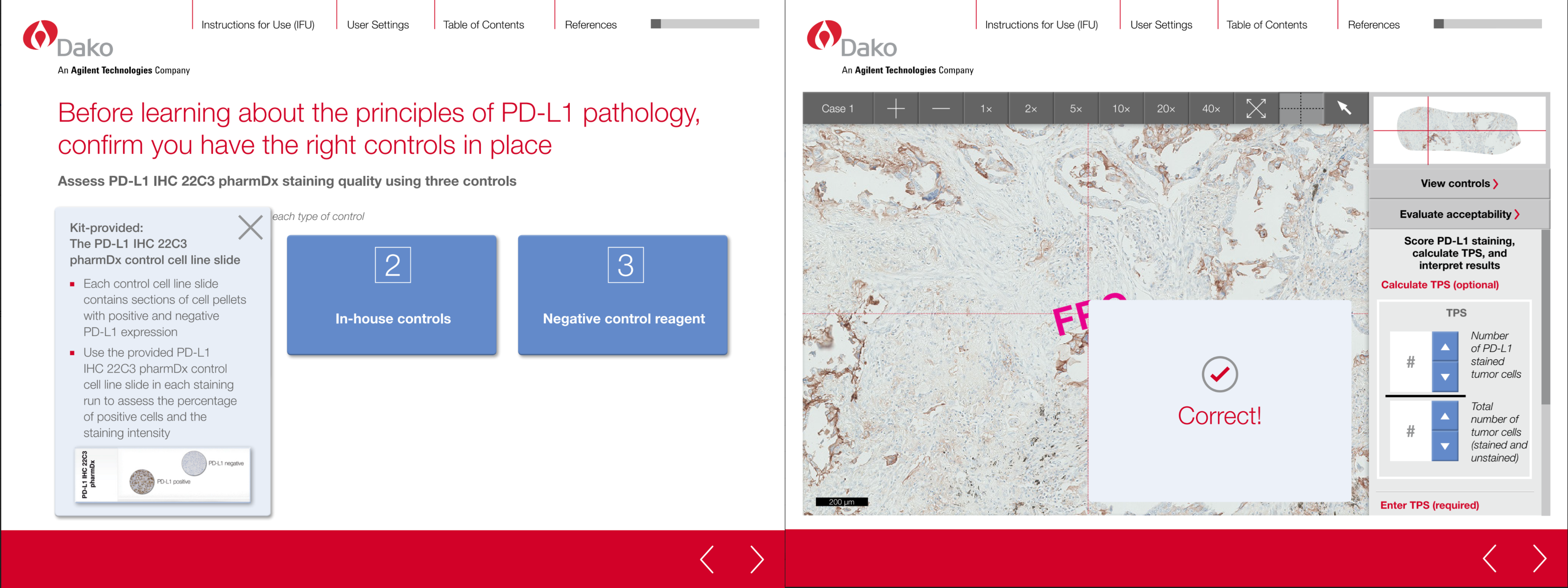
Agilent Technologies’ Dako division needed a better way to help pathologists sharpen their diagnostic accuracy. We defined and designed a HIPAA-compliant learning platform that pairs Q&A-based training with real medical imagery, with intuitive interfaces for both administrators and clinicians. The platform launched successfully, improving training effectiveness and supporting better patient outcomes through more accurate diagnoses.
Link to full case study
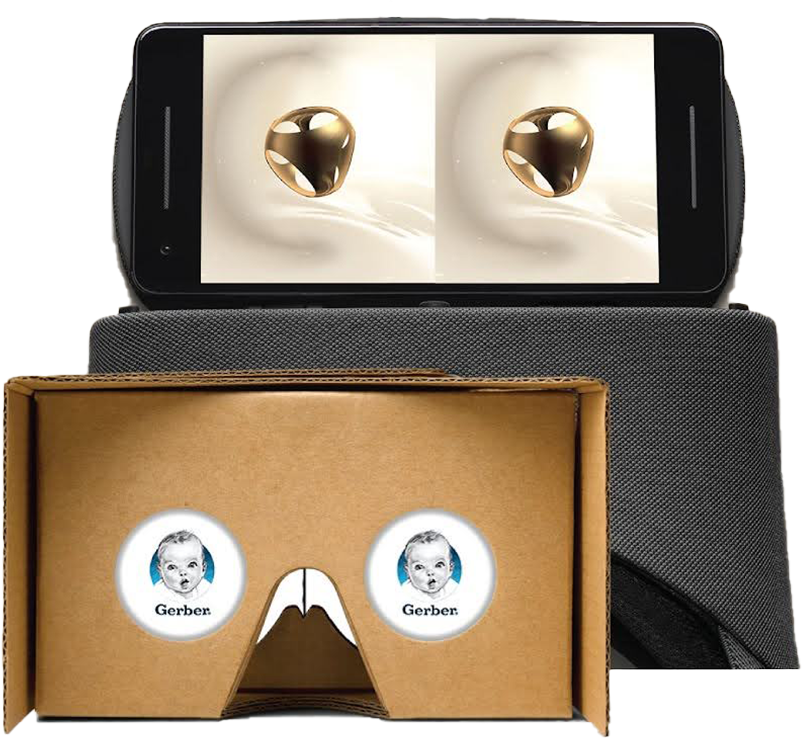
Gerber wanted a more engaging way to train its sales teams and tell its product story. We designed and built a custom VR experience with interactive, gaze-controlled video training that works across multiple devices, starting from an intuitive instructional lobby with dynamically loaded content. Sales reps loved it, and the project helped agency partner Flywheel Partners build its own VR strategy and production expertise.
Link to full case study
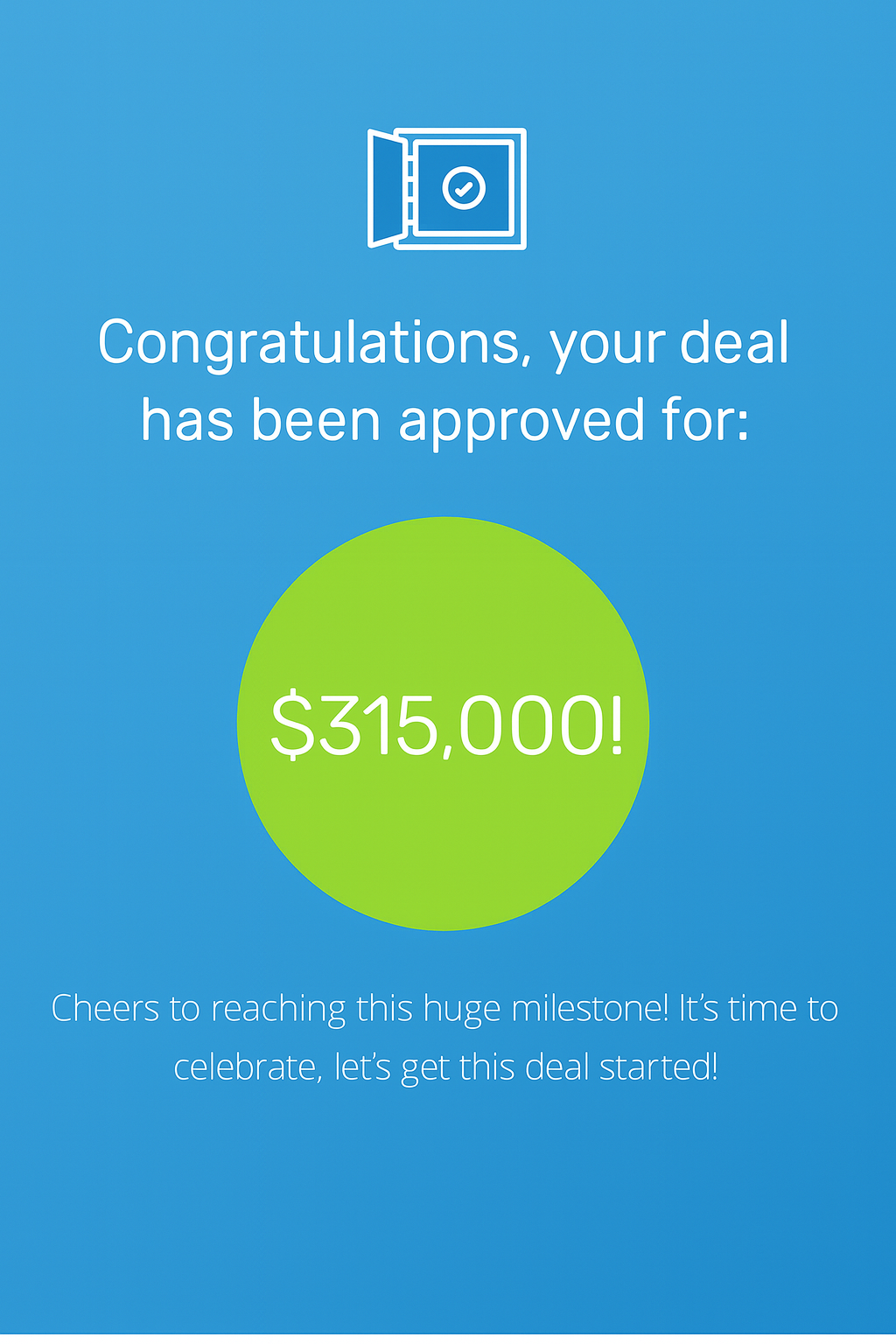
Kountable needed to digitize slow, opaque trade-finance deals for entrepreneurs in developing countries. We defined, designed, and built a multi-tenant SaaS platform with experiences for entrepreneurs, funders, and administrators, connected by automated deal workflows. It grew from an idea to an $8M Series B.
Link to full case study
Our process
Like a seesaw, we balance strategic vision with practical execution. Our 5D process for digital product design and development turns bold ideas into products people love, and every stage ends with something you can see, test, and keep.
User, stakeholder, market, and technical research uncovers the problems worth solving.
You get: Research findings, constraints, opportunity areas, and shared context.
We pick the most impactful challenge, then set scope, success metrics, and a roadmap.
You get: A product strategy, feature priorities, a delivery plan, and key risk assumptions.
UX flows, prototypes, UI, and technical design, tested with real users.
You get: A tested prototype, a design system, specifications, and architecture direction.
Iterative engineering, integration, QA, and stakeholder reviews.
You get: Working releases, documented code, test coverage, and visible progress.
We launch, measure real-world use, and keep improving.
You get: A production product, monitoring, an optimization roadmap, and ongoing support options.
Start where you are. Every engagement is led by one integrated team with clear scope and milestones, not a bench of contractors.
Research the opportunity, define the first release, and get a roadmap and a grounded estimate.
A tested clickable prototype, ready for us or your own team to build.
Strategy, design, engineering, QA, and launch, with one team accountable for the outcome.
An audit of your existing product, then a staged redesign or modernization.
A monthly team that maintains and keeps improving your product.
We fill gaps in strategy, design, or engineering, inside your team’s tools.
You own what we create for you: designs, documentation, and source code, with a clean handoff whenever you want one. Weighing your options? Read our product development outsourcing guide.
Every software product is different, so we don’t publish one-size-fits-all prices. These factors shape scope, cost, and delivery time the most.
A validated concept moves faster than an idea that still needs research.
Each platform and type of user adds screens, logic, and testing.
Connecting existing systems or moving legacy data adds engineering time.
HIPAA, accessibility, and audit requirements add review and documentation.
Multi-tenant and high-traffic products need more up-front architecture.
A focused MVP reaches real feedback sooner than a full feature set.
Modernization starts with an audit of what can be kept.
More unknowns mean more discovery, which costs less than building the wrong thing.
A short discovery phase turns these factors into a reliable estimate. Then the milestones are tangible: findings and a roadmap, a tested prototype, and working releases you can review. A focused MVP can be live in 4 to 6 weeks; larger products ship in phases.
Clinician, patient, and pharmacy products that make complex care simpler, with HIPAA compliance built in.
Training and diagnostic platforms that put real-world medical imagery and data into intuitive workflows.
Trusted platforms for financing, transactions, and member education.
Learning platforms with video, quizzes, and progress tracking that keep people engaged.
Branded apps, immersive experiences, and commerce platforms that deepen customer engagement.
Field, routing, and back-office products that make complex operations run smoothly.
We’re a design-led software product partner, not a staffing firm. Our strategists, designers, and engineers work side by side, and we stay accountable for outcomes, not just deliverables.
What you get with SeeSaw Labs:
You don’t need a finished spec. We will pressure-test your idea or current platform, find the highest-value opportunities, surface delivery risks, and agree on a practical next step.
A software product development company turns an idea or an existing platform into a market-ready product. That covers strategy, UX/UI design, prototyping, engineering, testing, launch, and improvement after launch. The best partners don’t just code to a spec: they help you decide what to build, test it with users, and stay accountable for the result. SeeSaw Labs does all of this with one integrated team.
Full-cycle software product development services include product strategy and discovery, user research, UX/UI design and prototyping, web, mobile, and SaaS engineering, integrations and cloud architecture, QA, security, and compliance, then launch, monitoring, and ongoing releases. You can engage us for all of it or for the stages your team needs most.
Digital product design and development combines strategy, user experience, and technology to create web apps, mobile apps, and SaaS platforms that solve real problems. It covers understanding users and goals, designing and testing the experience, engineering the product, and refining it after launch based on real-world use.
Custom software development usually means building tools around how one business runs, like internal systems and integrations that replace manual work. Software product development focuses on products many people adopt, often your customers, so it puts more weight on market validation, user experience, and growth. We do both; for your own operations, see our custom software development services.
Yes. Many products don’t need a rebuild. We audit the experience, architecture, and codebase, then recommend what to keep, redesign, or rebuild. Changes ship in stages, prioritized by what matters most to your users, so the product keeps running while it improves. When a rebuild is the right call, we plan the migration so users and data move over safely.
Look for a partner that can show similar products it has taken from idea to launch, explain how it validates ideas before building, and tell you plainly who owns the code. Ask how strategy, design, and engineering work together and how you will see progress. Our guide on how to choose a software development partner has a full checklist.
It depends on the platforms and user roles, integrations, compliance requirements, and whether you start with an MVP or a full-featured product. Many engagements begin with a focused discovery and design phase, which turns those factors into an estimate grounded in validated priorities. From there, work follows a clearly defined project scope or an ongoing monthly team.
With AI-accelerated delivery, a focused MVP can be live in 4 to 6 weeks. A product with many user roles, integrations, or compliance requirements is delivered in phases. Either way, you see clickable prototypes early, milestones are agreed up front, and working software ships in iterative releases, so progress is visible long before launch day.
Launch starts the next phase. We monitor performance and real-world use, fix issues quickly, and turn feedback and analytics into an optimization roadmap. Many clients keep us on as an ongoing product team; others take the product in-house with our documentation and a clean handoff. Either way, the product keeps getting better after day one.
Yes. We often work alongside internal product, design, and engineering teams, filling gaps in strategy, design, or development while your team stays in control. We work in your tools, join your reviews, and leave behind design systems, documentation, and code your team can keep building on.
You do. With a project-based engagement, the designs, design system, documentation, and source code we create for your product belong to you. We document key decisions as we go and hand everything over in a form your in-house engineers, another partner, or our own team can keep building on.
We design them in from the start: role-based access, encryption, audit trails, secure deployment, and accessibility checks throughout design and development. We have built HIPAA-compliant products for healthcare and life sciences, including Agilent Dako’s clinical training platform on real medical imagery. See our healthcare app development services.
A practical roadmap for custom software development for healthcare—covering MVP scope, HIPAA-aligned security, integrations, scaling, and ongoing support.

A practical, no-hype guide to outsourcing product development in 2026—focused on tradeoffs, operating models, and decision-making for technical leaders.

Choosing the right custom software development company requires understanding your needs, evaluating expertise, comparing portfolios and budgets, and ensuring alignment to deliver solutions that meet business goals efficiently.
Visit The Lab for more Tools, Guides and Experiments by SeeSaw’s team of digital inventors!